


Emerging Trends in Sustainable Architecture
Daniel Kim September 18, 2025
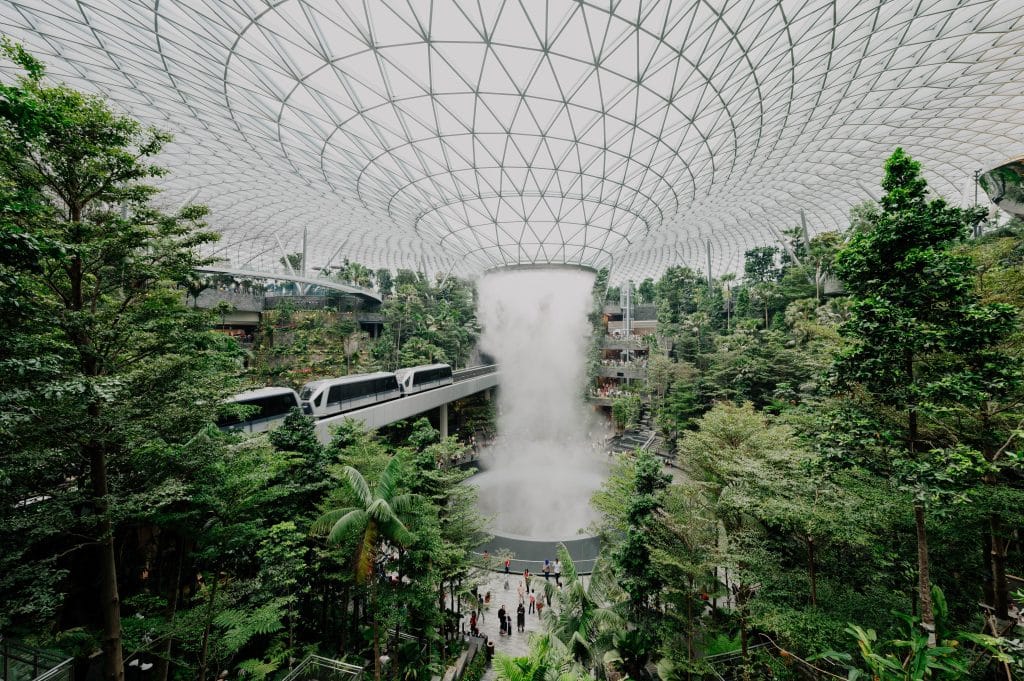
In 2025, one of the most exciting and fast-growing trends in sustainable architecture is bio-integrated architecture—the use of living materials, biological systems, and ecologically inspired design to create “living machines” in the built environment. This approach moves beyond green roofs or decorative plants. It treats buildings as active, adaptive ecosystems that can grow, regulate, and even heal themselves.
Instead of thinking of architecture as static, bio-integrated design encourages us to imagine buildings as dynamic and evolving—structures that breathe, interact with their environment, and contribute positively to their surroundings.
What Is Bio-Integrated Architecture?
At its core, bio-integrated architecture incorporates living organisms and natural systems into the very fabric of buildings. Rather than being passive or ornamental, these systems play functional roles: regulating temperature, cleaning air, storing carbon, and improving comfort.
Examples include:
- Bioreactive façades that filter air or capture carbon while adjusting to sunlight.
- Mycelium bricks and panels grown into form that provide lightweight insulation and biodegrade at the end of their life cycle.
- Living building skins that open, close, or adjust porosity in response to heat, light, or moisture.
- Rooftop gardens and green walls that regulate temperature, reduce stormwater runoff, and create habitats for pollinators.
This approach doesn’t just “add” sustainability features—it weaves them into a building’s DNA.
Why Bio-Integrated Architecture Is Emerging Now
1. Reducing Carbon Footprints
The construction industry is responsible for a significant portion of global carbon emissions, largely due to the production of cement and steel. Bio-integrated architecture introduces alternatives: fungi-based composites, algae panels, and plant-based insulation that require far less energy to produce. In some cases, these materials actively sequester carbon during their life cycle. As climate regulations tighten, the demand for low-carbon construction solutions is driving adoption.
2. Improving Building Performance
Unlike traditional inert materials, living systems can respond to environmental change. Green roofs absorb excess heat in summer and insulate in winter. Algae panels adjust to solar exposure, shading interiors while generating biomass. Living walls filter pollutants and regulate humidity. This adaptability reduces reliance on mechanical systems, cutting both energy costs and emissions.
3. Supporting Health & Well-Being
Humans thrive in contact with nature, a principle known as biophilia. By embedding plants, fungi, and algae directly into architecture, bio-integrated design improves indoor air quality, reduces stress, and promotes mental well-being. Imagine entering a workplace where the walls breathe with living moss or a school where classrooms are cooled naturally by green façades—it’s sustainability and wellness combined.
4. Aligning with Urban Needs
As cities expand, challenges such as air pollution, heat islands, and biodiversity loss intensify. Bio-integrated architecture offers solutions at scale: cleaner air, cooler streets, and micro-ecosystems that restore balance to dense urban environments.
Challenges to Overcome
Despite its promise, bio-integrated architecture faces several hurdles:
- Maintenance: Living systems require water, nutrients, and monitoring. Neglected systems risk failure or damage.
- Cost: Many bio-materials are still in early stages of mass production, making them pricier than concrete or steel.
- Building codes: Regulations assume materials are inert; certifying living, changing components is complex.
- Climate suitability: Not every system thrives everywhere. Algae façades may excel in sunny climates but struggle in cold or low-light regions.
- Public perception: Developers and clients may worry about reliability, aesthetics, or unfamiliar maintenance routines.
Yet, just as solar panels were once niche and costly, scaling and innovation will lower barriers over time.
Practical Guide: How to Implement Bio-Integrated Architecture
For architects, developers, and forward-thinking firms, here’s a roadmap to start exploring bio-integrated architecture:
1. Start Small
Introduce features like a moss wall in an office lobby, a rooftop garden, or an algae panel façade on a pilot project. Track performance and maintenance needs before scaling up.
2. Think Locally
Use organisms suited to your climate. Native plants and fungi are more resilient, require less upkeep, and support local ecosystems.
3. Pair with Passive Design
Don’t rely solely on living systems. Combine bio-integration with passive strategies such as shading, orientation, cross-ventilation, and thermal mass. The synergy reduces overall energy loads.
4. Plan for Care
Design with maintenance in mind: include irrigation systems, access pathways, and monitoring sensors. Living elements should be as serviceable as electrical or plumbing systems.
5. Collaborate Across Disciplines
Bio-integrated architecture requires architects to work with ecologists, horticulturists, microbiologists, and engineers. This interdisciplinary approach ensures functionality, safety, and compliance.
6. Explore Lifecycle Options
Plan for end-of-life reuse or composting. Mycelium bricks, for example, can return safely to soil, closing the loop.
7. Seek Incentives & Funding
Investigate grants, subsidies, or green financing options. Many municipalities encourage green roofs, living walls, or carbon-saving innovations with tax breaks or fast-track permitting.
Inspiring Examples of Bio-Integrated Architecture
- Mycelium Bricks: Lightweight, fire-resistant, and compostable, these fungal composites are gaining traction as sustainable alternatives for non-load-bearing walls and insulation.
- Algae Façades: Transparent panels filled with microalgae capture carbon, provide shading, and generate biomass that can be harvested for energy.
- Living Roofs: Cities around the world mandate green roofs to combat urban heat and improve stormwater management.
- Adaptive Skins: Membranes embedded with living organisms or responsive materials adjust transparency and ventilation, reacting to real-time environmental conditions.
- Vertical Forests: Residential towers featuring trees and shrubs integrated into balconies, offering habitat for wildlife while cleaning urban air.
These examples show bio-integrated architecture moving from concept to reality.
How Bio-Integrated Architecture Shapes the Future of Cities
As populations urbanize, cities will increasingly look to architecture to solve pressing challenges. Bio-integration can:
- Build Resilience: Structures adapt naturally to heat, humidity, or air pollution without heavy reliance on mechanical systems.
- Create Healthier Communities: Green walls and roofs improve urban air quality, reduce noise, and provide restorative spaces.
- Foster Circular Economies: Construction materials grown locally and composted after use reduce dependency on global supply chains and landfill waste.
- Enhance Equity: Affordable housing projects can benefit from passive cooling and cleaner air through integrated green features.
In this vision, neighborhoods are not just sustainable—they are regenerative ecosystems.
What’s Next for Bio-Integrated Architecture
Looking ahead, bio-integrated architecture is likely to expand in several exciting directions:
- Net-Positive Buildings: Instead of minimizing harm, future projects will actively improve ecosystems—filtering pollutants, sequestering carbon, and restoring biodiversity.
- Dynamic Living Systems: Façades that change with seasons, opening in summer for ventilation, closing in winter for insulation, or responding to pollution levels in real time.
- Bio-Fabrication on Demand: Growing building components—like panels, tiles, or insulation—in labs or modular farms, reducing waste and transport costs.
- Smart Monitoring: Integration of AI and IoT sensors to track the health of living systems, predict maintenance, and optimize performance.
- Hybrid Infrastructures: Combining renewable technologies (solar, wind) with living systems for buildings that generate energy, clean air, and grow materials all at once.
- Policy and Certification Shifts: As bio-integration becomes mainstream, building codes and sustainability certifications will adapt, creating clearer pathways for adoption.
Conclusion
Bio-integrated architecture is redefining what it means to design sustainably. By turning buildings into living systems, architects are creating spaces that sequester carbon, regulate themselves, and foster human well-being. While challenges remain—maintenance, cost, regulation—the trajectory is clear: the future of sustainable architecture is alive, adaptive, and regenerative.
For those in architecture and development, the question is no longer if bio-integrated systems will be adopted, but how quickly they’ll reshape the built environment.
References
- Mycelium-based composites: An updated comprehensive overview- https://www.sciencedirect.com
- Microalgae-integrated building enclosures: a nature-based solution- https://www.frontiersin.org
- Bio-Modules: Mycelium-Based Composites Forming a Modular Interlocking System- https://www.mdpi.com

 Strategies for Healthy Aging Through Fitness and Nutrition


