


Fitness Challenges That Encourage Daily Movement
Sofia Alvarez September 24, 2025
In today’s fast-paced world, staying active and incorporating daily movement into our routines can seem like a daunting task. However, with the growing trend of fitness challenges, people are discovering new, fun, and engaging ways to stay active. These challenges not only help improve physical health but also motivate participants to move daily, fostering a positive and sustainable approach to fitness.
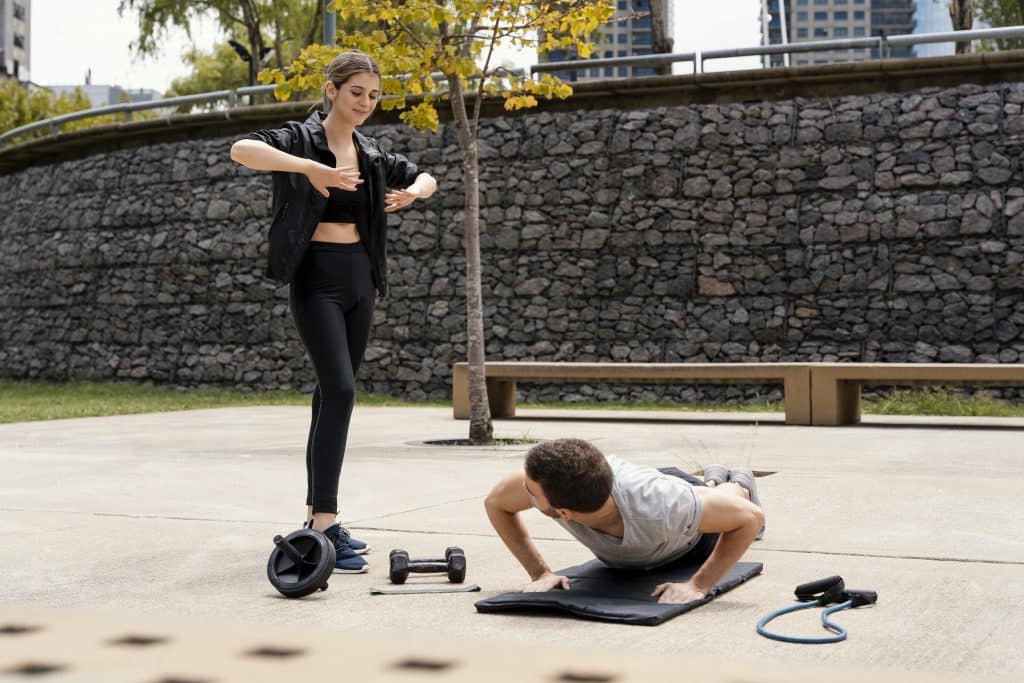
The Power of Fitness Challenges
Fitness challenges are quickly becoming one of the most popular ways to motivate individuals to stay active. By adding a sense of achievement and competition, these challenges make physical activity feel less like a chore and more like a game. Moreover, they allow individuals to track their progress, push their limits, and celebrate small victories along the way.
From step challenges to yoga and strength-based competitions, fitness challenges are designed to be both fun and effective. They cater to different fitness levels, allowing everyone, from beginners to seasoned athletes, to participate.
Why Fitness Challenges Work
Fitness challenges aren’t just trendy; they are scientifically backed. Research shows that regular physical activity has a plethora of benefits, from improving heart health to boosting mood and cognitive function. Fitness challenges tap into the psychological concept of gamification, turning workouts into a rewarding activity that people look forward to.
Additionally, challenges promote community support. Whether it’s through online groups or friends and family, participants often feel a sense of accountability and camaraderie that further motivates them to keep moving.
Here are some key reasons why fitness challenges are effective:
- Accountability: Having a goal to work toward gives participants a clear sense of purpose.
- Motivation: Tracking progress and competing with others provides intrinsic motivation to stay active.
- Variety: Fitness challenges offer different types of activities (steps, calories burned, specific exercises) to cater to various interests and fitness levels.
- Health Benefits: Regular movement leads to improved physical health, mental clarity, and overall well-being.
Emerging Fitness Challenges for 2025
1. Virtual 10,000 Steps Challenge
Walking has long been heralded as one of the most accessible and effective forms of exercise. The 10,000 steps challenge is a widely known fitness challenge, where participants aim to walk 10,000 steps a day. In 2025, the trend of virtual step challenges continues to rise, thanks to the growing popularity of fitness apps like Strava, Fitbit, and Apple Health.
- Why it’s effective: The 10,000 steps goal is simple yet impactful. Walking has low-impact on the joints, making it suitable for almost anyone.
- How to participate: Users track their steps using a wearable or smartphone and can join virtual communities or teams for added motivation.
2. Yoga for Flexibility Challenge
Yoga has gained widespread attention for its ability to improve flexibility, strength, and mental well-being. The Yoga for Flexibility Challenge encourages daily practice of specific poses designed to enhance flexibility over time. In 2025, more yoga apps, such as Yoga with Adriene and Daily Yoga, are incorporating this challenge as a part of their offerings.
- Why it’s effective: Flexibility training has been shown to reduce the risk of injury, improve posture, and increase mobility.
- How to participate: Participants commit to completing short daily yoga sessions, with increasing intensity as the challenge progresses.
3. HIIT (High-Intensity Interval Training) Challenge
HIIT workouts have surged in popularity due to their efficiency in burning fat and building strength. The HIIT Challenge consists of quick, intense bursts of exercise followed by short recovery periods. These challenges range from beginner to advanced levels and can be customized based on fitness goals. Popular fitness apps like Nike Training Club and FitOn offer guided HIIT challenges.
- Why it’s effective: HIIT is proven to improve cardiovascular health, increase endurance, and burn fat in less time compared to traditional cardio.
- How to participate: Participants complete a series of HIIT workouts at home or in the gym, with the goal of progressively increasing their workout time or intensity.
4. Strength Training Challenge
Strength training is crucial for building muscle, improving metabolism, and enhancing bone health. The Strength Training Challenge involves daily or weekly goals aimed at progressively increasing weight, repetitions, or sets. Many fitness apps offer structured strength training challenges, with workouts focusing on different muscle groups.
- Why it’s effective: Strength training supports long-term health benefits, including muscle mass retention and bone density improvement, especially important as people age.
- How to participate: Challenge participants commit to increasing their strength training routine over the course of the challenge, typically including full-body workouts using free weights, resistance bands, or bodyweight exercises.
5. Active Minutes Challenge
The Active Minutes Challenge is all about accumulating a certain amount of active minutes throughout the day, usually totaling 30 to 60 minutes of physical activity. The challenge can include any type of exercise, from walking to dancing to cycling. Apps like Google Fit and Samsung Health track active minutes and help users stay on target.
- Why it’s effective: The focus on active minutes encourages participants to engage in movement throughout the day, whether they’re taking a brisk walk or doing a quick workout.
- How to participate: Participants set their active minutes target and use fitness trackers or apps to monitor their daily activity.
How to Get Started with Fitness Challenges
If you’re new to fitness challenges, here’s a simple step-by-step guide to get started:
1. Choose a Challenge That Fits Your Fitness Level
Pick a challenge that aligns with your current fitness level. If you’re a beginner, start with low-impact activities like walking or yoga. For more advanced participants, challenges like HIIT or strength training may be more suitable.
2. Set Realistic Goals
Be sure to set goals that are challenging yet achievable. Aim for progress rather than perfection, and remember that consistency is key to seeing results.
3. Track Your Progress
Use fitness apps or a journal to track your daily progress. Many fitness apps allow you to set goals, track milestones, and monitor your improvement over time.
4. Join a Community
For added motivation and support, join a virtual or local fitness community. Many challenges offer group participation, where you can compete with friends or other users.
5. Celebrate Milestones
When you reach a milestone—whether it’s completing a week of your challenge or hitting a personal best—celebrate! This reinforces positive behavior and motivates you to continue.
Benefits of Fitness Challenges
Fitness challenges offer numerous benefits that go beyond physical fitness:
- Mental Health Benefits: Regular exercise is proven to reduce stress, anxiety, and depression. Fitness challenges help improve mental health by promoting a sense of accomplishment and reducing negative feelings.
- Social Engagement: Participating in challenges with friends, family, or coworkers adds a social element that enhances the experience and builds community.
- Improved Motivation: Fitness challenges offer an engaging way to track progress, with rewards for completing milestones. This can help maintain motivation even on days when you’re feeling sluggish.
Conclusion
Fitness challenges are an excellent way to encourage daily movement and establish long-lasting healthy habits. Whether you’re aiming to increase your steps, build muscle, or practice yoga, there’s a fitness challenge suited to your interests and goals. The power of gamification in these challenges makes them more engaging and rewarding, helping individuals stay on track and achieve their fitness objectives.
By choosing the right challenge for your fitness level, setting achievable goals, and tracking your progress, you’ll experience a boost in both your physical and mental well-being. So, why not take on a fitness challenge and get moving today?
References
- Benefits of Physical Activity (Baseline)- https://www.who.int
- Gamification & Competition as Motivators- https://pmc.ncbi.nlm.nih.gov
- Considerations, Risks & Limitations- https://www.researchgate.net

 Travel Experiences That Combine Culture and Learning


