


Gardening Tips That Maximize Plant Health
Isabella Rossi September 19, 2025
Gardening is not just about cultivating beautiful flowers or bountiful vegetables; it’s about nurturing the environment and maximizing plant health. Whether you’re an avid gardener or a beginner, you can always improve your gardening techniques to boost the health and vitality of your plants. Recent trends in sustainable gardening practices and innovations in plant care have opened up new ways to enhance plant health in ways that benefit both the plants and the environment.
This article will explore some of the most effective gardening tips for maximizing plant health, with a focus on emerging trends and the latest practices that can help you grow thriving, healthy plants in your garden.
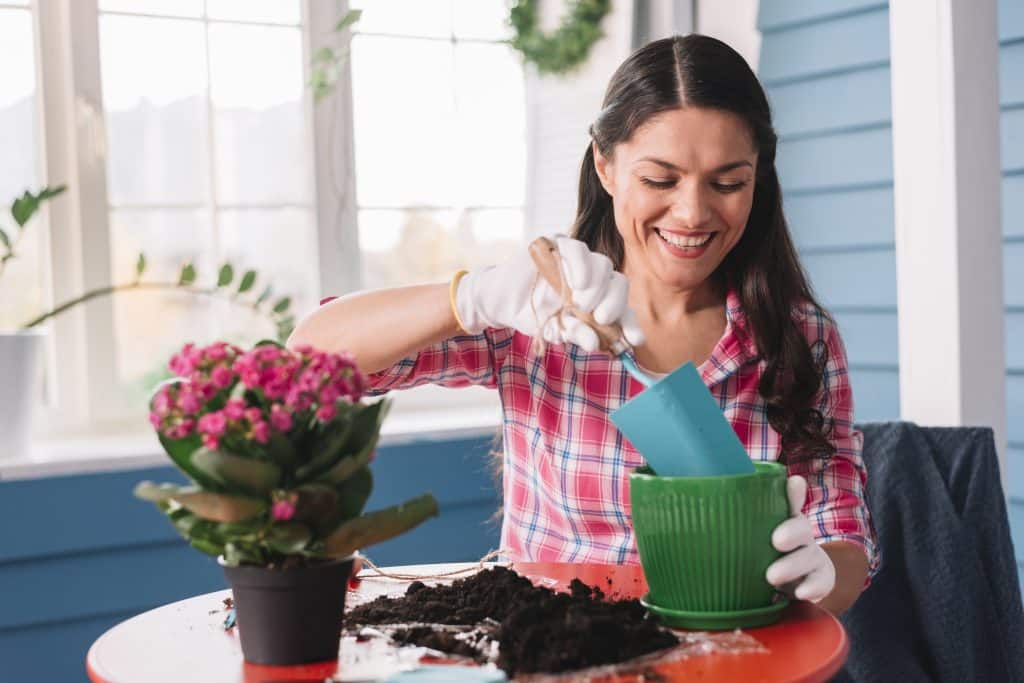
1. Soil Health: The Foundation of Healthy Plants
One of the most important aspects of plant health is soil health. The soil is where plants obtain the necessary nutrients and water, so ensuring its health is critical to plant growth.
Why Soil Health Matters:
- Nutrient Availability: Healthy soil is rich in essential nutrients like nitrogen, phosphorus, and potassium, which plants need to grow.
- Water Retention: Healthy soil improves water retention, preventing plants from becoming waterlogged or dehydrated.
- Root Development: Plants with strong, healthy roots thrive in soil that is rich in organic matter and beneficial microbes.
How to Improve Soil Health:
- Compost: Adding organic compost to your soil is one of the best ways to improve its structure and nutrient content. Compost provides essential organic matter that enhances soil fertility and encourages healthy microbial activity.
- Mulching: Applying mulch around your plants helps retain moisture, regulate soil temperature, and reduce weed growth.
- Soil Testing: Conducting a soil test can help determine the pH and nutrient levels of your soil. This allows you to amend the soil with the necessary fertilizers or pH adjustments to optimize plant health.
- Crop Rotation: Planting different crops each season can help prevent soil depletion and reduce the risk of soil-borne diseases.
2. Watering Techniques: Hydrating Plants the Right Way
Proper watering is crucial for plant health. Overwatering and underwatering can both lead to stress and poor growth. Understanding your plants’ needs and adjusting your watering techniques accordingly can make a world of difference.
Why Proper Watering Matters:
- Root Health: Overwatering can suffocate plant roots, while underwatering can lead to dehydration, both of which can stunt plant growth.
- Disease Prevention: Overwatering creates a damp environment that encourages fungal diseases, while underwatering can cause plants to become stressed and vulnerable to pests.
- Efficient Water Use: Efficient watering practices help conserve water and ensure that plants receive the right amount of hydration.
How to Improve Watering Techniques:
- Drip Irrigation: Installing a drip irrigation system ensures that water is delivered directly to the plant roots, reducing water waste and preventing the growth of weeds.
- Water Early or Late: Watering early in the morning or late in the evening prevents water from evaporating in the heat of the day, ensuring the plants receive adequate moisture.
- Deep Watering: Watering deeply encourages plants to develop strong root systems that can access water from deeper soil layers.
- Rain Barrels: Collecting rainwater in barrels is an eco-friendly way to water your garden while conserving potable water.
3. Choosing the Right Plants for Your Climate
Another important factor in maximizing plant health is choosing plants that are suited for your climate and growing conditions. Planting species that are well-adapted to your local environment ensures they have a higher chance of thriving with minimal intervention.
Why Plant Selection Matters:
- Climate Compatibility: Plants that are suited to your climate require less maintenance, such as watering and protection from extreme temperatures.
- Reduced Pest and Disease Issues: Plants that are native or well-adapted to your region are less susceptible to pests and diseases that thrive in non-native species.
- Environmental Benefits: Choosing native plants can help support local ecosystems and provide food and shelter for pollinators.
How to Choose the Right Plants:
- Research Local Plants: Research native plants and drought-tolerant species that are well-suited for your region. Many local gardening centers provide recommendations for the best plants based on your climate.
- Consider Plant Zones: Plant hardiness zones indicate the minimum temperature a plant can withstand. Check the USDA Plant Hardiness Zone Map to ensure you’re selecting plants that will survive in your climate.
- Grow What Thrives: Instead of trying to grow plants that are difficult to maintain in your region, focus on varieties that naturally thrive in your area.
4. Integrated Pest Management (IPM): Sustainable Pest Control
Sustainable pest control is a critical aspect of maintaining plant health while minimizing harm to the environment. Integrated Pest Management (IPM) is a holistic approach to managing pests that emphasizes prevention, monitoring, and eco-friendly interventions.
Why IPM Matters:
- Environmentally Friendly: IPM prioritizes natural pest control methods, reducing the need for harmful chemical pesticides that can damage the environment and beneficial insects.
- Prevents Resistance: By using multiple pest control strategies, IPM helps prevent pests from developing resistance to specific chemicals.
- Long-Term Plant Health: Reducing the use of pesticides helps preserve beneficial insects, such as pollinators, and maintains a healthy ecosystem in your garden.
How to Implement IPM:
- Attract Beneficial Insects: Encourage natural predators like ladybugs, spiders, and predatory beetles by planting flowers and herbs that attract them.
- Use Organic Pest Control: When necessary, use organic pest control methods such as neem oil, insecticidal soap, or diatomaceous earth.
- Hand-Pick Pests: For small infestations, manually removing pests from your plants can be an effective and non-toxic solution.
- Mulch and Clean: Keeping your garden clean and mulching around plants helps prevent pests from taking up residence in the soil.
5. Sustainable Gardening Practices: Reducing Your Environmental Footprint
Sustainability is a growing trend in gardening, and it can significantly improve plant health while reducing your environmental footprint. Sustainable practices focus on using eco-friendly methods that conserve resources and support biodiversity.
Why Sustainability Matters:
- Conserves Resources: Sustainable gardening methods minimize the use of water, chemicals, and non-renewable resources, making them both eco-friendly and cost-effective.
- Supports Biodiversity: Sustainable gardens support a variety of plant and animal species, which helps create healthier ecosystems.
- Improves Soil Health: Practices like composting, mulching, and crop rotation maintain and enrich the soil, which benefits plant health in the long term.
How to Implement Sustainable Practices:
- Composting: Composting kitchen scraps and yard waste creates nutrient-rich soil for your plants while reducing landfill waste.
- Rainwater Harvesting: Collecting rainwater reduces the strain on municipal water systems and provides your plants with chemical-free water.
- Use Organic Fertilizers: Organic fertilizers are better for the environment and help promote plant health without introducing harmful chemicals into the soil.
6. Technological Innovations in Gardening: The Future of Plant Health
Technology has revolutionized gardening, offering new tools and solutions to maximize plant health. From smart garden sensors to plant-monitoring apps, these innovations make it easier for gardeners to track and optimize conditions for their plants.
Why Technology Matters:
- Data-Driven Insights: Technology allows gardeners to monitor soil conditions, water levels, and plant health in real-time, providing actionable data to make informed decisions.
- Efficiency: Automated systems, such as irrigation controllers and smart lighting, can improve efficiency and reduce the need for manual labor.
- Precision Care: Technology can help identify specific plant needs, allowing for precise care that maximizes health and minimizes resource waste.
How to Implement Technology:
- Smart Garden Sensors: Devices like the Parrot Flower Power or Xiaomi MiFlora allow gardeners to monitor soil moisture, temperature, and light levels through smartphone apps.
- Automated Irrigation: Smart irrigation systems adjust water usage based on real-time weather data, reducing water waste and ensuring plants receive optimal hydration.
- Plant Care Apps: Apps like Planta and PlantSnap offer plant identification, care tips, and watering reminders to help you keep your plants healthy.
Conclusion: A Holistic Approach to Maximizing Plant Health
Maximizing plant health is a multifaceted approach that involves improving soil health, selecting the right plants, using sustainable practices, and embracing technology. By incorporating these modern gardening practices, you not only enhance the vitality of your plants but also contribute to a healthier environment. Whether you’re a seasoned gardener or a beginner, these tips can help you grow thriving plants while supporting biodiversity and sustainability.
References
- The Foundation of Healthy Plants- https://www.fao.org/soils-portal/soil-management/soil-health/en/
- Hydrating Plants the Right Way- https://www.nrdc.org/stories/water-conservation
- Choosing the Right Plants for Your Climate- https://garden.org/

 Interior Decor Ideas for Modern Minimalist Homes


