


Gardening Tips That Maximize Seasonal Growth
Isabella Rossi October 1, 2025
Gardening is no longer just a leisurely hobby; it has become a precise blend of science, strategy, and sustainability. In 2025, gardeners are seeking methods to optimize plant growth, improve yields, and create thriving gardens regardless of seasonal changes. With climate variations, urban gardening trends, and technological advancements influencing cultivation, understanding how to maximize seasonal growth has become essential for both amateur and professional gardeners.
Seasonal growth optimization involves aligning gardening practices with plant biology, environmental conditions, and resource efficiency. From soil health management to adopting technology-assisted monitoring, this guide provides practical tips and emerging trends to ensure your garden flourishes year-round.
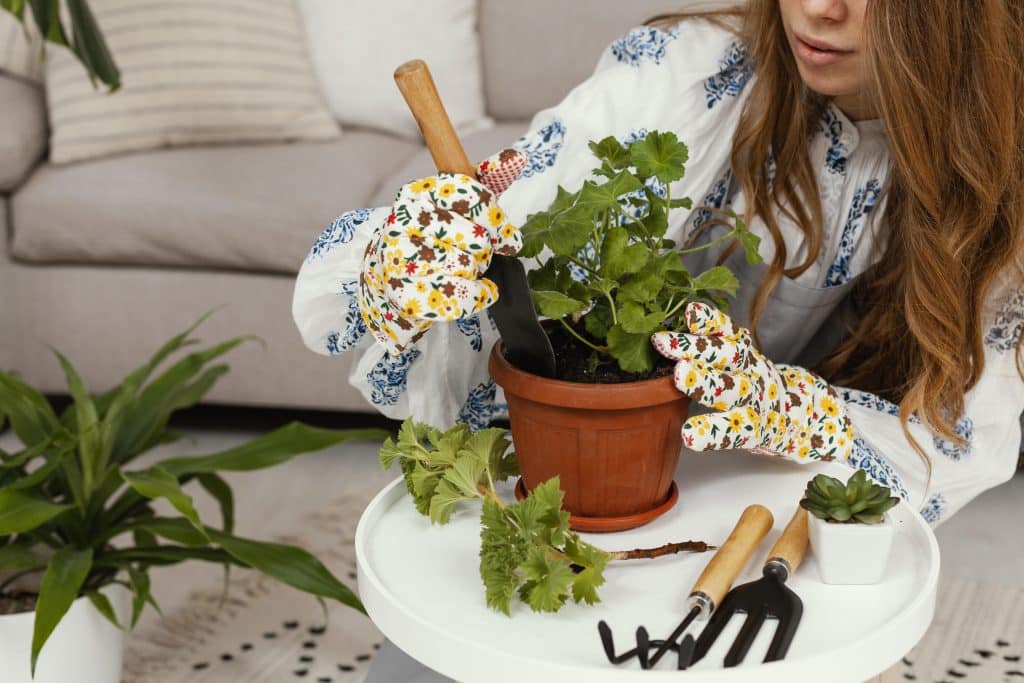
1. Understanding Seasonal Plant Needs
The first step in maximizing seasonal growth is understanding the specific requirements of the plants you cultivate. Each species has unique temperature, light, and water preferences that fluctuate with seasonal changes.
- Temperature Regulation: Monitor temperature requirements for seeds, seedlings, and mature plants. For example, cool-season crops like lettuce and kale thrive in spring and fall, while tomatoes and peppers prefer the warmth of summer.
- Light Optimization: Seasonal changes in daylight hours can affect plant growth. Supplemental lighting, such as LED grow lights, can extend daylight exposure for indoor or greenhouse gardens.
- Water Management: Seasonal rainfall patterns and evaporation rates affect soil moisture levels. Using drip irrigation or automated sprinklers ensures consistent hydration without overwatering.
By tailoring care routines to the season, gardeners can prevent plant stress and promote healthy development.
2. Soil Health and Nutrient Management
Healthy soil is the foundation of seasonal growth. Modern gardening emphasizes nutrient-rich soils, proper pH balance, and microbial diversity to support robust plants.
- Soil Testing: Regular testing for pH levels and nutrient content ensures that amendments are targeted and effective.
- Organic Fertilizers: Compost, worm castings, and plant-based fertilizers supply slow-release nutrients that improve soil structure and boost plant resilience.
- Crop Rotation: Rotating plant families each season prevents nutrient depletion and reduces the risk of soil-borne diseases.
- Cover Crops: Planting legumes or clover during off-seasons enriches the soil with nitrogen and prevents erosion.
Emerging trends highlight regenerative gardening practices, where soil health is prioritized to create self-sustaining ecosystems that optimize growth over time.
3. Strategic Planting and Succession Planning
Maximizing seasonal growth also depends on how and when plants are introduced to the garden. Succession planting, companion planting, and strategic spacing can enhance productivity and resilience.
- Succession Planting: Staggering planting schedules allows gardeners to harvest continuously, rather than all at once. This method is particularly effective for leafy greens and fast-growing vegetables.
- Companion Planting: Pairing plants that benefit each other, such as basil with tomatoes, improves nutrient uptake, pest resistance, and yield.
- Optimal Spacing: Overcrowding can lead to poor air circulation and competition for light and nutrients. Maintaining recommended spacing ensures healthier growth and reduces disease risk.
These techniques support efficient garden layouts and encourage sustainable, season-long productivity.
4. Leveraging Technology for Growth Monitoring
Technology is revolutionizing gardening by providing real-time data and predictive insights to support seasonal planning.
- Soil Moisture Sensors: These devices measure soil hydration levels, alerting gardeners when to water and preventing both over- and under-watering.
- Climate Monitoring Apps: Mobile apps provide forecasts and microclimate data, helping gardeners plan planting and harvesting schedules.
- Automated Systems: Smart irrigation, climate-controlled greenhouses, and LED lighting systems allow precise environmental control to extend growing seasons.
Embracing technology helps gardeners make informed decisions, optimize resource usage, and maximize plant growth efficiency throughout the year.
5. Pest and Disease Management
Seasonal growth can be disrupted by pests and plant diseases, which often thrive under certain environmental conditions. Integrated pest management (IPM) strategies are increasingly used to maintain garden health without relying heavily on chemical pesticides.
- Preventive Measures: Crop rotation, companion planting, and proper spacing can reduce susceptibility to pests and disease.
- Natural Predators: Encouraging beneficial insects such as ladybugs, lacewings, and predatory nematodes helps maintain a balanced ecosystem.
- Biological Treatments: Organic sprays and microbial inoculants protect plants while maintaining soil and environmental health.
Understanding the seasonal patterns of pests and diseases allows gardeners to proactively protect their plants and sustain productivity.
6. Seasonal Pruning and Maintenance
Regular pruning and maintenance are essential to support plant health and seasonal growth. Properly timed pruning can stimulate new growth, improve fruit production, and maintain aesthetic appeal.
- Spring Pruning: Removing dead branches and shaping plants encourages vigorous growth and prepares them for the active growing season.
- Summer Maintenance: Monitoring for signs of stress, pest activity, or nutrient deficiencies ensures that plants thrive during peak growth periods.
- Fall Cleanup: Clearing fallen leaves, debris, and spent crops prevents disease and prepares the soil for winter or off-season crops.
Routine maintenance keeps gardens productive and minimizes seasonal setbacks.
7. Water Conservation Strategies
Efficient water management is critical for seasonal growth, especially with changing climate patterns and water restrictions in many regions.
- Mulching: Organic mulches reduce evaporation, regulate soil temperature, and add nutrients as they decompose.
- Rainwater Harvesting: Collecting and storing rainwater provides an eco-friendly, cost-effective irrigation source.
- Drip Irrigation: Delivering water directly to plant roots minimizes waste and ensures consistent soil moisture levels.
These strategies help maintain plant health while conserving valuable water resources.
8. Incorporating Native and Climate-Resilient Plants
In 2025, gardeners are prioritizing plants that thrive naturally in their local climate and require minimal intervention.
- Native Plants: Native species are adapted to local soils, rainfall, and pests, making them easier to grow and maintain.
- Climate-Resilient Varieties: Choosing plants that tolerate heat, drought, or fluctuating temperatures ensures seasonal growth even in unpredictable conditions.
- Biodiversity: Incorporating a mix of flowers, vegetables, and shrubs attracts pollinators and supports a healthy ecosystem.
Selecting the right plants for your climate maximizes seasonal success while reducing labor and resource input.
9. Indoor and Vertical Gardening Trends
Urban and small-space gardening is gaining popularity, and indoor or vertical gardens offer year-round growth opportunities.
- Vertical Garden Systems: Using wall-mounted planters or stacked pots maximizes space and improves light exposure for all plants.
- Indoor Grow Kits: Controlled environments with LED lights and hydroponic systems allow seasonal growth independent of outdoor conditions.
- Microgreens and Herbs: Fast-growing plants like microgreens, basil, and parsley thrive indoors and provide nutritious, continuous harvests.
These trends make it possible to grow fresh produce and maintain greenery year-round, even in limited spaces.
10. Sustainable Gardening Practices
Sustainability remains a core focus in maximizing seasonal growth. Eco-conscious practices enhance productivity while supporting environmental health.
- Composting: Recycling garden waste into nutrient-rich compost enriches soil naturally.
- Organic Fertilization: Reduces chemical runoff and promotes long-term soil health.
- Energy-Efficient Tools: Solar-powered pumps, LED lights, and hand tools minimize energy consumption.
Sustainable methods ensure that gardens can remain productive and resilient over multiple seasons.
Conclusion
Maximizing seasonal growth in gardening is a multifaceted process that requires understanding plant needs, optimizing soil and water, employing smart technology, and adopting sustainable practices. By combining traditional gardening knowledge with emerging trends like vertical gardens, climate-resilient plants, and digital monitoring tools, gardeners can achieve healthy, thriving gardens throughout the year.
In 2025, successful gardening goes beyond aesthetics; it’s about efficiency, sustainability, and aligning practices with environmental conditions. Implementing these tips empowers gardeners to maximize productivity, enhance biodiversity, and create vibrant spaces that flourish season after season.
References
- The Latest Home Organization Trends for 2025- https://www.architecturaldigest.com
- Smart Storage Ideas That Save Time and Space- https://www.housebeautiful.com
- Interior Organization Tips for Modern Homes- https://www.elledecor.com

 Smart Home Devices That Improve Efficiency


