


Interior Design Solutions That Encourage Productivity
Isabella Rossi September 30, 2025
As the boundaries between work and home continue to blur, interior design has emerged as a powerful tool for boosting productivity. In 2025, professionals are increasingly recognizing that their physical environment plays a significant role in focus, creativity, and overall work performance. Interior design solutions that encourage productivity are no longer just about aesthetics—they’re about creating spaces that enhance cognitive function, reduce stress, and support efficient workflows.
This article explores current trends and practical strategies in interior design that can transform any workspace—whether at home or in an office—into a hub of productivity and well-being.
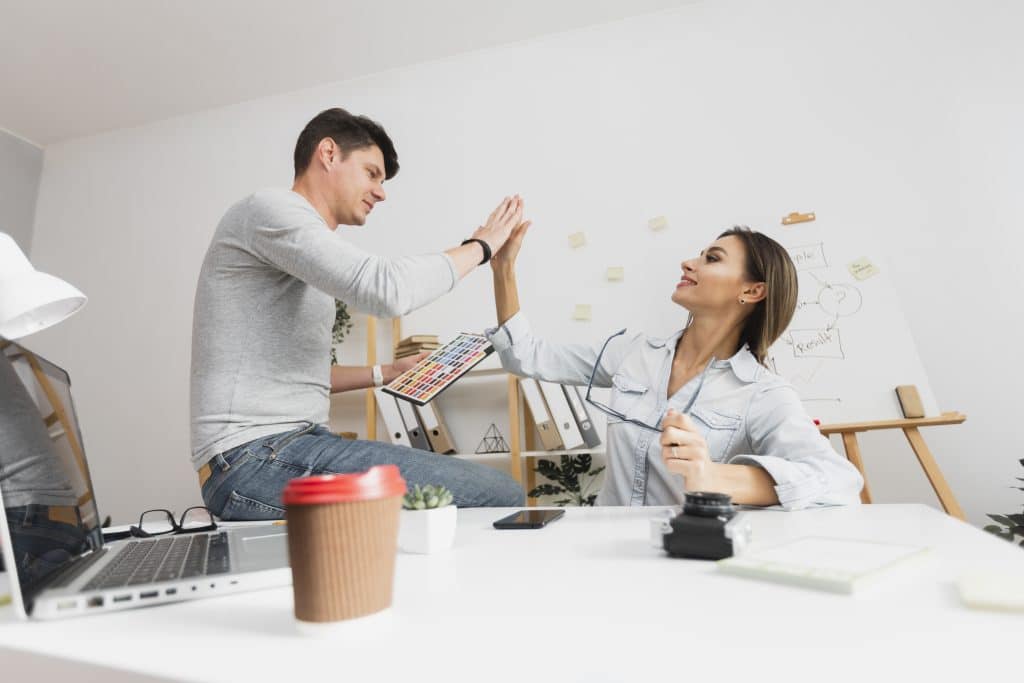
The Connection Between Interior Design and Productivity
Research consistently shows that the physical environment influences work output, concentration, and creativity. Poorly designed spaces can lead to distractions, fatigue, and reduced efficiency, while thoughtfully arranged environments can foster motivation, clarity, and comfort.
Key elements that affect productivity include:
- Lighting: Proper illumination reduces eye strain and enhances alertness.
- Color psychology: Certain colors can stimulate energy, calmness, or focus.
- Ergonomics: Comfortable furniture reduces physical strain and enhances concentration.
- Acoustics: Minimizing disruptive noise supports mental clarity.
- Spatial organization: Clutter-free spaces promote efficiency and reduce stress.
Understanding these factors allows interior designers and homeowners alike to implement solutions that directly influence performance.
Hot Trends in Productive Interior Design
Several emerging trends are shaping how spaces are designed to support productivity in 2025.
1. Biophilic Design
Biophilic design integrates natural elements into interior spaces, such as plants, water features, natural light, and organic materials. Studies indicate that exposure to nature can improve focus, lower stress, and enhance cognitive performance.
Implementation ideas:
- Position workstations near windows for natural sunlight.
- Incorporate indoor plants or green walls.
- Use natural materials like wood, stone, or bamboo for desks and flooring.
- Introduce water elements or nature-inspired artwork.
Biophilic design is particularly effective in reducing stress while increasing creativity, making it a staple in productivity-oriented interiors.
2. Ergonomic and Flexible Workspaces
In 2025, the shift toward hybrid and remote work has increased demand for flexible, ergonomic solutions. Adjustable desks, supportive chairs, and modular furniture help individuals maintain proper posture, prevent fatigue, and adapt to various tasks throughout the day.
Key considerations:
- Invest in sit-stand desks for alternating between sitting and standing.
- Use chairs with lumbar support and adjustable height settings.
- Incorporate modular shelving and storage for easy reorganization.
- Ensure that work surfaces accommodate both computers and physical work materials.
Flexible ergonomic design not only improves physical comfort but also positively affects mental focus and energy levels.
3. Color and Lighting Strategies
Color and lighting are critical in shaping mood and productivity. In 2025, designers are increasingly applying neuroscience-backed insights to optimize interiors.
Color recommendations:
- Blue: Enhances focus and productivity.
- Green: Encourages balance and calm, particularly in stressful environments.
- Yellow: Stimulates creativity and energy, ideal for brainstorming spaces.
Lighting strategies:
- Maximize natural light with windows, skylights, or light tubes.
- Use LED lights that mimic daylight for consistent illumination.
- Incorporate task lighting for detailed work areas to reduce eye strain.
Optimizing color and lighting is a low-cost intervention that can significantly improve cognitive function and work output.
4. Acoustic Design
Noise distractions are a common productivity killer. Modern interior design now emphasizes acoustic solutions to create quiet, focused environments.
Practical approaches:
- Install sound-absorbing panels or acoustic ceiling tiles.
- Use rugs, curtains, and upholstered furniture to minimize echo.
- Designate “quiet zones” for focused work in open-plan offices.
- Encourage white noise machines or ambient sound systems in remote workspaces.
Reducing noise pollution enhances concentration, reduces stress, and increases overall productivity.
5. Minimalism and Decluttered Spaces
Clutter can hinder productivity by creating visual distractions and cognitive overload. Minimalist design encourages simplicity, clear surfaces, and organized storage.
Tips for minimalism:
- Limit decorative items to essentials that provide functionality or inspiration.
- Implement hidden storage solutions to reduce visible clutter.
- Use neutral color palettes with subtle accent tones to maintain focus.
- Digitize paperwork to reduce physical clutter wherever possible.
By maintaining a clean and organized workspace, individuals can reduce stress and enhance task efficiency.
6. Incorporating Technology Seamlessly
Smart home and office technologies are increasingly integrated into productivity-focused interior design. These solutions streamline workflow, optimize energy use, and enhance comfort.
Examples include:
- Automated lighting and temperature control.
- Wireless charging stations and cable management systems.
- Integrated audio-visual systems for virtual meetings.
- Smart desks and ergonomic monitoring tools.
A well-integrated technological environment reduces distractions and supports more efficient work routines.
Practical Steps to Design a Productive Workspace
Whether redesigning a home office or revamping a corporate environment, the following steps help implement interior design solutions that encourage productivity:
- Assess the space: Identify areas prone to distractions, poor lighting, or ergonomic issues.
- Define goals: Determine whether the focus is on concentration, creativity, or collaboration.
- Incorporate biophilic elements: Add natural light, plants, and organic materials to enhance well-being.
- Optimize ergonomics: Choose adjustable furniture that promotes comfort for extended work periods.
- Control acoustics: Use soundproofing, quiet zones, or ambient noise to manage auditory distractions.
- Use color and lighting strategically: Apply color psychology and task lighting to support the desired mood and focus.
- Reduce clutter: Implement storage solutions and minimalistic design principles.
- Integrate technology thoughtfully: Ensure smart devices and tools enhance, rather than distract from, productivity.
By following these practical steps, any space can be transformed into an environment that supports sustained focus and efficient workflows.
Benefits of Productivity-Oriented Interior Design
Designing a workspace that encourages productivity provides multiple benefits:
- Enhanced focus: Minimizing distractions and optimizing lighting improves attention span.
- Increased creativity: Biophilic elements and flexible workstations stimulate innovative thinking.
- Improved health: Ergonomic furniture and proper lighting reduce physical strain and eye fatigue.
- Reduced stress: Organized, quiet, and nature-inspired environments foster mental well-being.
- Boosted performance: A well-designed workspace can directly improve task efficiency and work output.
The combination of aesthetics, functionality, and science-backed design principles results in environments that empower individuals to perform at their best.
Emerging Trends in 2025
As workplace expectations continue to evolve, interior design for productivity is embracing innovative trends:
- Hybrid spaces: Offices and homes now accommodate both collaborative and private work zones.
- Wellness integration: Productivity-focused spaces increasingly incorporate wellness areas, such as meditation zones or micro-break spaces.
- Sustainable materials: Eco-friendly and non-toxic materials are prioritized, improving air quality and cognitive function.
- AI-assisted design: Advanced software helps optimize layout, lighting, and acoustics for maximum productivity.
These trends reflect a growing understanding that productivity is not solely about effort but also about environment.
Conclusion
Interior design solutions that encourage productivity are transforming how we work in 2025. From biophilic elements and ergonomic furniture to color, lighting, and acoustics, every aspect of a space can influence focus, creativity, and efficiency. By adopting a holistic approach that integrates these principles, individuals and organizations can create environments that support not only work performance but also mental and physical well-being.
As the future of work continues to evolve, designing spaces that enhance productivity will remain a key priority. Whether at home or in the office, thoughtfully designed interiors are proving that productivity is as much about environment as it is about effort.
References
- A Little Nature in the Office Boosts Morale and Productivity- https://hbr.org
- Thriving Workplaces: How Employers Can Improve Productivity and Change Lives- https://www.weforum.org
- How Employers Can Improve Productivity and Change Lives- https://www.mckinsey.com

 Emerging Trends in Corporate Social Responsibility


