


Interior Design Tips That Maximize Small Living Areas
Isabella Rossi September 18, 2025
Small living spaces present unique challenges and opportunities in interior design. Whether you live in a studio apartment, a tiny home, or a compact urban flat, maximizing your space can drastically improve functionality, comfort, and aesthetic appeal. Emerging trends in small-space design emphasize multi-functional furniture, strategic layouts, and smart storage solutions. With thoughtful planning and a creative approach, you can transform a modest living area into a stylish, efficient, and welcoming home.
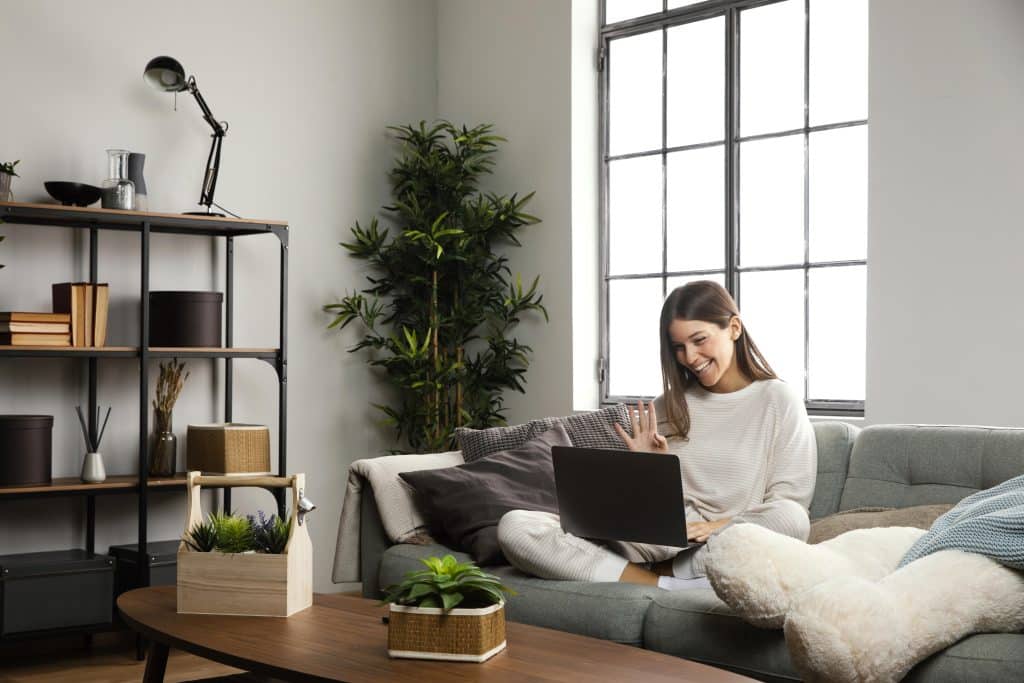
Understand the Layout Before You Decorate
Before selecting furniture or decor, it is essential to assess the layout of your space. Knowing the dimensions, natural light sources, and traffic flow helps you make informed design decisions and prevents costly mistakes.
- Measure every wall and floor area: Accurate measurements ensure furniture fits perfectly, avoiding overcrowding and wasted space.
- Identify focal points: Windows, fireplaces, or built-in shelving can serve as anchors for arranging furniture, making the room feel cohesive.
- Consider functionality: Determine how each area will be used, whether for relaxing, working, entertaining, or a combination of activities.
- Plan traffic flow: Leave enough space between furniture pieces for easy movement, ensuring the space doesn’t feel cramped.
Proper planning reduces clutter, maximizes usable space, and provides a solid foundation for decorating decisions.
Multi-Functional Furniture for Small Spaces
One of the hottest trends in small-space design is using multi-functional furniture. These pieces provide storage, flexibility, and utility without overwhelming the room.
Examples of Multi-Functional Furniture
- Sofa beds and daybeds: Ideal for living rooms that double as guest rooms or relaxation areas.
- Extendable dining tables: Adjust the size for everyday use or when entertaining larger groups.
- Ottomans with storage: Hide blankets, books, or toys while providing seating or footrests.
- Wall-mounted desks: Perfect for creating a home office in apartments or studios without taking up floor space.
- Foldable chairs and tables: Can be tucked away when not in use to keep areas open and uncluttered.
Investing in multi-purpose furniture helps you save space, maintain organization, and maintain a clean, uncluttered aesthetic.
Smart Storage Solutions
Efficient storage is essential to prevent small spaces from feeling cramped. Innovative storage strategies are a hallmark of modern small-space design.
- Vertical storage: Tall shelving units or wall-mounted cabinets maximize vertical space and keep floors open.
- Under-bed storage: Drawers, boxes, or rolling containers can store clothing, shoes, or seasonal items.
- Floating shelves: Open shelving displays items while keeping floor space free, maintaining visual openness.
- Hooks and pegboards: Ideal for kitchens, bathrooms, or entryways to organize daily essentials.
- Built-in storage: Custom cabinets, window seats with hidden compartments, or wall niches make use of previously underutilized areas.
Smart storage solutions allow small areas to remain functional, visually appealing, and easy to maintain.
Light Colors and Reflective Surfaces
Color and material choices dramatically affect how spacious a room feels. Light hues and reflective surfaces create an illusion of space and openness.
- Light walls and ceilings: White, cream, soft pastels, or muted neutrals expand the visual footprint.
- Mirrors: Placing mirrors opposite windows amplifies natural light and adds depth.
- Glass and acrylic furniture: Transparent materials reduce visual clutter and make rooms feel larger.
- Glossy finishes: Cabinets or countertops with semi-gloss or high-gloss finishes reflect light and create an airy feel.
- Consistent palette: Using a harmonious color scheme throughout your furniture and decor prevents visual chaos.
Strategic use of color and materials enhances the perception of space without altering the physical footprint.
Maximize Natural Light
Natural light has a profound effect on how spacious and inviting a small area feels.
- Keep windows unobstructed: Use sheer curtains, blinds, or light-filtering panels to allow light to pass through.
- Light-colored window frames: Blend with walls to avoid visual breaks and make rooms feel more expansive.
- Mirrored accents: Reflect sunlight deeper into the room, brightening darker corners.
- Skylights and solar tubes: In homes where possible, these bring additional daylight, enhancing openness.
A well-lit space feels larger, more energetic, and creates an uplifting environment even in compact areas.
Declutter and Organize
Clutter can make even a reasonably sized room feel cramped. Minimalist organization is essential for small spaces.
- Regularly evaluate items: Donate or store items you no longer use to free space.
- Organize by function: Group similar items together for quick access and visual harmony.
- Use baskets and decorative boxes: Hide smaller items while keeping the room tidy.
- Prioritize surfaces: Limit countertop and table clutter to maintain visual clarity.
A clean, organized environment not only looks spacious but also reduces stress and improves daily comfort.
Incorporate Flexible Layouts
Flexible layouts allow you to adapt your space to different activities. Open floor plans, movable furniture, and modular systems enable dynamic use of space.
- Room dividers: Sliding panels or curtains separate areas without building permanent walls.
- Modular furniture: Sectional sofas, stackable chairs, or foldable tables adjust to your needs.
- Multi-purpose zones: Convert a dining table into a workspace or a living room into a mini-gym.
Flexibility ensures small spaces meet changing lifestyle demands and adapt to new activities easily.
Add Vertical and Hanging Decor
In small areas, walls are valuable real estate. Vertical decor draws the eye upward, adds personality, and does not consume floor space.
- Wall art: Hang paintings or photographs higher on the wall to create height perception.
- Floating shelves: Display books, plants, or collectibles while keeping floors clear.
- Hanging planters: Introduce greenery without occupying usable space.
- Vertical storage racks: Perfect for kitchens, bathrooms, or entryways, combining utility with visual appeal.
Vertical and hanging elements maintain functionality while creating an interesting visual experience.
Use Multipurpose Rooms
Multipurpose rooms maximize usability in limited spaces.
- Home office/living room combos: Fold-away desks or sofa beds allow dual functionality.
- Bedroom/lounge hybrids: Small reading nooks or work areas can be integrated without sacrificing relaxation.
- Dining/work stations: Kitchen islands double as meal prep areas and study or office spaces.
Multipurpose designs ensure every square foot of a small home is functional and valuable.
Embrace Minimalism
Minimalist design principles emphasize quality over quantity. Limiting furniture and decor items enhances both functionality and the perception of space.
- Select essential pieces: Invest in furniture that matches both function and style.
- Neutral color palettes: Promote a sense of cohesion and openness.
- Consistent materials and textures: Harmonized finishes prevent visual clutter.
Minimalism doesn’t mean emptiness; it’s about intentional design and thoughtful curation.
Conclusion
Maximizing small living areas requires creativity, planning, and the adoption of modern interior design strategies. Multi-functional furniture, smart storage solutions, flexible layouts, and strategic use of light, color, and decor can transform compact spaces into efficient, comfortable, and aesthetically pleasing homes. Minimalism, natural light, and vertical design elements further enhance the perception of space, making even the smallest apartments feel open and inviting. By applying these design principles, anyone can achieve a perfect balance of style, functionality, and comfort in small living areas, creating homes that are both practical and inspiring.
References
- General Small Space Design Principles- https://www.asid.org/resources/small-space-living
- Multi-Functional Furniture- https://www.apartmenttherapy.com/
- Smart Storage Solutions- https://www.hgtv.com/design/remodel/interior-remodel/small-space-storage-ideas

 Steps to Plan a Budget-Friendly Adventure Trip


