


Interior Design Trends That Make Spaces Feel Larger
Isabella Rossi September 23, 2025
When it comes to interior design, one of the biggest challenges homeowners and apartment dwellers face is how to make a space feel bigger. Whether you’re living in a cozy apartment, a compact house, or simply want to optimize the available space in your current home, it’s possible to create the illusion of a larger environment through clever design strategies. In 2025, emerging interior design trends are all about making spaces feel more expansive and functional while maintaining style and comfort.
From minimalist approaches to clever use of colors, furniture, and light, here are some of the top interior design trends that are making spaces feel larger without the need for extra square footage.
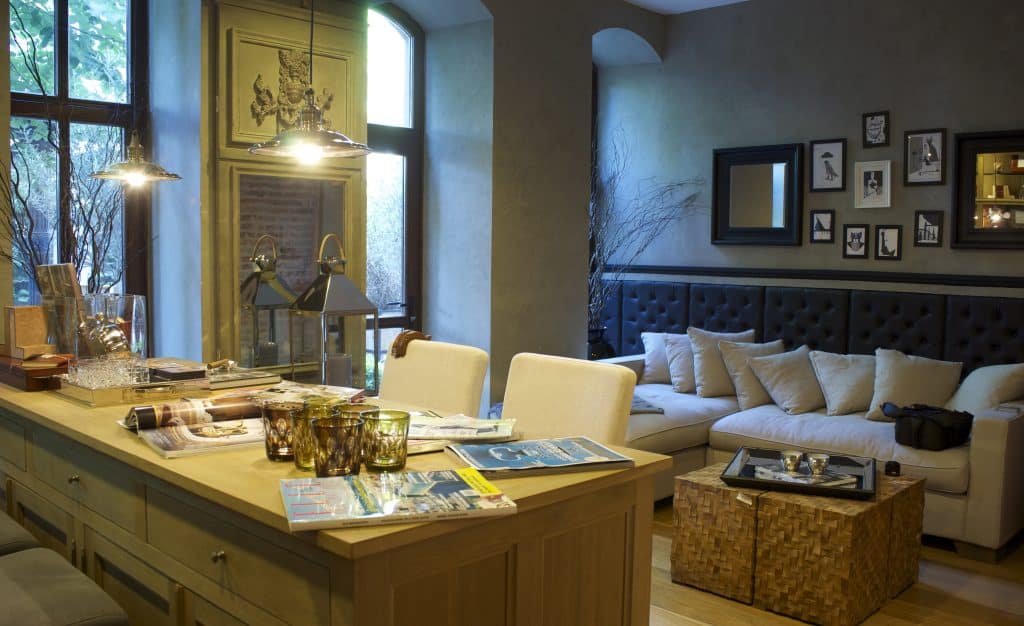
1. Open Floor Plans: The Rise of Flexibility and Flow
The open floor plan trend has been around for a while, but it’s evolving. In 2025, this design choice isn’t just about removing walls; it’s about creating fluidity between spaces while maintaining a sense of organization. By eliminating visual barriers between the kitchen, dining, and living areas, you create a continuous flow that tricks the eye into perceiving more space.
Why it works:
- Maximizes Natural Light: Open spaces allow light to travel freely, making a room feel brighter and more airy.
- Encourages Multi-functionality: A flexible layout allows you to use furniture in ways that maximize space, such as having a movable island in the kitchen or a multi-purpose table that can be used for dining and working.
Tip: Instead of completely eliminating walls, consider partial separations like sliding glass doors or low-profile partitions. These allow light to filter through while providing subtle boundaries.
2. Light and Neutral Color Palettes: Soft Hues for Spaciousness
Color has a profound impact on how we perceive space. In smaller rooms, dark and bold hues can make spaces feel enclosed, while lighter tones can visually open up a room. 2025’s design trends heavily favor soft, neutral colors such as whites, beiges, and light grays for walls, ceilings, and even furniture.
Why it works:
- Reflects More Light: Lighter colors reflect light, making rooms feel brighter and more open.
- Creates a Calming Atmosphere: Neutrals evoke calm and serenity, creating a welcoming atmosphere in spaces that may feel cramped or cluttered.
- Enhances Natural Features: Light tones can enhance the natural features of the room, such as large windows or outdoor views.
Tip: If you prefer a pop of color, incorporate it in accessories such as throw pillows, rugs, or artwork. This allows you to add personality to the space without overwhelming the room.
3. Vertical Space Usage: Going Up to Maximize Floor Area
When square footage is limited, the key is to utilize vertical space. High ceilings offer an opportunity to create storage solutions that go beyond the floor, like tall bookshelves, hanging plants, and multi-level shelving units.
Why it works:
- Optimizes Storage: Vertical storage keeps your floor area free for movement and interaction.
- Draws the Eye Upward: High shelves or tall plants add a sense of depth to the space by drawing the eye upward, creating an illusion of height and openness.
- Creates a Dramatic Effect: Large statement pieces, such as tall mirrors or vertical art, can create an illusion of expansiveness.
Tip: For smaller rooms, use light-colored shelving or mirrored furniture to reflect light and enhance the feeling of space.
4. Multifunctional Furniture: Maximizing Functionality and Flexibility
In 2025, one of the key trends for making small spaces more efficient is the use of multifunctional furniture. Think of fold-out desks, sofa beds, and coffee tables that double as storage. The focus is on furniture that adapts to your needs and can be easily tucked away or rearranged to make the most of limited space.
Why it works:
- Saves Space: Multi-purpose furniture serves two or more functions, reducing the need for bulky furniture pieces.
- Increases Versatility: These pieces allow you to rearrange your space as needed, making rooms feel more adaptable.
- Reduces Clutter: With built-in storage solutions, you can keep belongings organized and out of sight, making the space feel more open.
Tip: Invest in compact yet versatile pieces such as fold-away desks, nesting tables, and sectional sofas with hidden storage to maximize your available space.
5. Mirrors and Reflective Surfaces: Tricks for Expanding the Room
Mirrors are one of the simplest and most effective tools to create the illusion of a larger space. Reflective surfaces, whether in the form of large mirrors, glass tables, or glossy finishes on walls, enhance the perception of openness by reflecting light and making a room feel more expansive.
Why it works:
- Reflects Light: Mirrors amplify natural light, making the space appear brighter and more airy.
- Visually Expands the Room: A large mirror can make a small room appear twice as big by reflecting the space and creating depth.
- Adds a Touch of Luxury: Mirrored furniture or decor can bring a sense of elegance and sophistication to the room while contributing to the feeling of space.
Tip: Instead of placing a mirror directly across from a window, try hanging one near the door to reflect the flow of light throughout the room.
6. Minimalism: Less is More for a Clean, Spacious Look
Minimalist design continues to dominate 2025, particularly when it comes to small spaces. By embracing clean lines, fewer decorations, and a focus on quality over quantity, you can create a sense of calm and spaciousness. Minimalism involves reducing visual clutter, creating a balanced, open atmosphere.
Why it works:
- Reduces Clutter: Keeping only essential items in a room allows for more breathing room, giving the space a sense of openness.
- Focuses on Functionality: Minimalism isn’t about sacrificing comfort but rather about choosing functional, purposeful decor that maximizes utility without overloading the space.
- Promotes Clean Lines: Clean, simple designs create an organized and visually appealing environment, making the space feel more open and less chaotic.
Tip: When adopting minimalism, focus on neutral colors, streamlined furniture, and multi-use pieces. Use decor sparingly, selecting items that add both form and function.
7. Natural Light and Open Windows: Let the Outdoors In
Maximizing natural light is one of the most effective ways to make a space feel bigger. The trend of opening up spaces to natural light in 2025 is about reducing heavy window treatments and opting for more open, expansive windows. If privacy is a concern, consider using sheer curtains or frosted glass to maintain light while providing some privacy.
Why it works:
- Enhances the Room’s Brightness: Natural light makes spaces feel larger by eliminating the need for artificial lighting, which can often make rooms feel cramped.
- Improves Mood and Productivity: Sunlight has been shown to improve mood, focus, and overall well-being, making your home feel more energizing.
- Creates a Connection with the Outdoors: Bringing the outside in with larger windows or open spaces gives the illusion of a larger room and provides a connection to nature.
Tip: Consider installing large windows, skylights, or even glass doors leading to outdoor spaces to maximize natural light and create a seamless flow between your indoor and outdoor environments.
Conclusion: Transforming Small Spaces into Expansive Retreats
As we move further into 2025, interior design trends are all about maximizing the space we have. With clever strategies like open floor plans, multifunctional furniture, and reflective surfaces, it’s possible to make even the smallest spaces feel larger and more comfortable.
By incorporating trends such as minimalist decor, light-colored palettes, and vertical storage solutions, you can transform your home into an inviting, spacious retreat. These design principles not only create a feeling of expansiveness but also help optimize your space for efficiency, comfort, and style. Whether you’re working with a small apartment or a compact house, these strategies will help you achieve a visually appealing, open, and functional living space.
References
- Material & Color Drenching with Light Tones- https://www.artsy.net
- Lighted Mirrors & Reflective Surfaces- https://grandmirrors.com
- Warm Minimalism & Japandi-Style Simplicity- https://www.decorilla.com

 Travel Experiences That Enhance Learning Opportunities


