


Interior Organization Solutions That Save Time
Isabella Rossi October 1, 2025
In 2025, the demand for home organization solutions that are both practical and stylish has increased significantly. Urban living spaces are becoming smaller, and daily schedules are busier. As a result, homeowners are looking for ways to organize their homes efficiently while keeping them attractive. A well-organized home does more than look good—it saves time, reduces stress, and improves daily routines.
Research shows that clutter can increase stress and reduce productivity. In contrast, organized spaces improve focus and create a sense of calm. Moreover, a tidy environment promotes mental clarity, which is especially important for those balancing remote work, family life, and personal responsibilities. This article explores the latest trends and practical strategies in interior organization. These approaches not only save time but also make your home more functional and beautiful.
The Shift Towards Multi-Functional Spaces
The trend toward multifunctional living spaces is growing. Homes now need to serve multiple purposes, especially with remote work and smaller floor plans. Multifunctional spaces allow homeowners to maximize utility while maintaining a sense of order.
- Convertible Furniture: Items like fold-out desks, wall-mounted tables, and sleeper sofas allow rooms to serve more than one function. For example, a living room can double as a home office or guest room. Murphy beds with integrated desks are another excellent option for compact apartments.
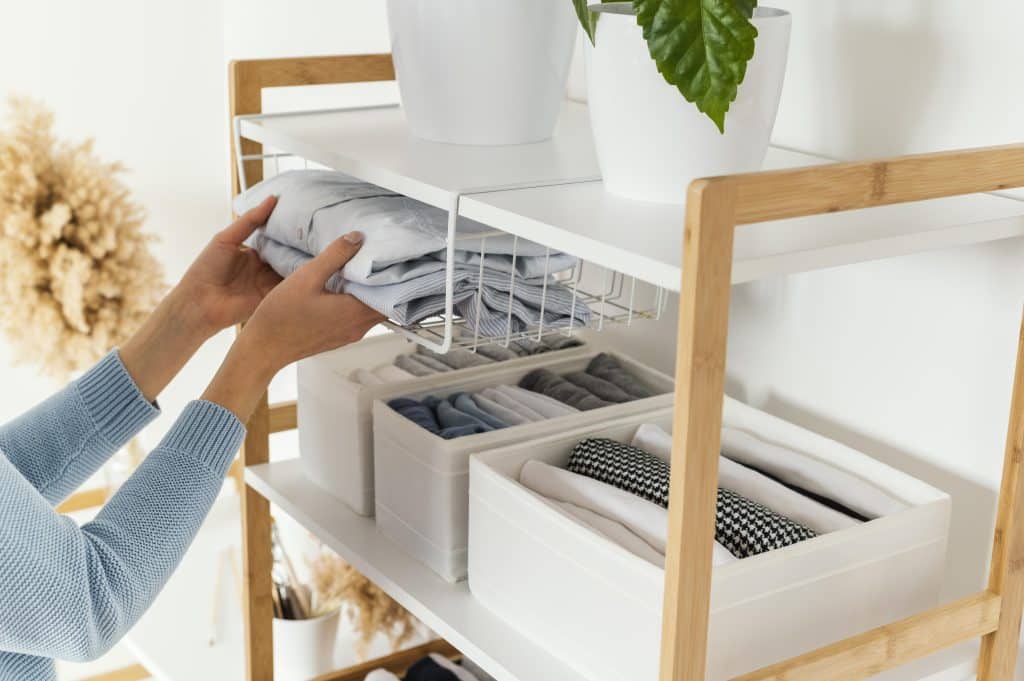
- Integrated Storage Solutions: Built-in shelves, under-bed storage, and hidden compartments keep belongings organized and easy to reach. For instance, ottomans with storage or beds with drawers provide practical solutions for storing extra linens, books, or seasonal clothing.
- Zoned Living Areas: Rugs, lighting, and furniture placement can define areas within a room. A reading nook, a meditation corner, or a home office section helps maintain focus and order. By designating zones, households can prevent clutter from spilling into shared spaces.
Additionally, using multifunctional furniture reduces the need to purchase extra pieces, saving money while keeping spaces flexible and adaptive.
Embracing Vertical Storage Innovations
Vertical storage is becoming a cornerstone of modern interior design, particularly for apartments and smaller homes. Using walls and high spaces increases storage without crowding floors.
- Wall-Mounted Shelves and Hooks: Shelves above eye level and hooks on walls create space for books, plants, decorative items, or kitchen essentials. Floating shelves in kitchens or bathrooms keep items accessible without taking up valuable counter space.
- Hanging Organizers: Over-the-door organizers and hanging baskets are ideal for storing shoes, pantry items, cleaning supplies, or toiletries. They maximize often-overlooked spaces and make items easy to locate.
- Vertical Storage Units: Tall cabinets, narrow bookcases, and stackable bins utilize height to expand storage capacity. Some units even include ladders or pull-out steps to access higher shelves safely.
- Closet Upgrades: Using vertical space in closets with tiered shelving or hanging rods can double storage efficiency. Adding hooks for bags, scarves, or belts keeps accessories organized and visible.
By fully embracing vertical storage, homeowners can free up floor space, reduce clutter, and make their homes feel more open and inviting.
Smart Storage Solutions for the Kitchen
The kitchen remains a central hub in the home, and organizing it efficiently can save significant time every day. A well-planned kitchen supports meal preparation, reduces frustration, and encourages healthier eating habits.
- Pull-Out Pantries: Slim, pull-out pantry units allow for easy access to canned goods, spices, and dry ingredients. No more digging through deep shelves or moving items around to find what you need.
- Drawer Dividers and Inserts: Custom dividers organize utensils, cutlery, and kitchen tools. Inserts for pots and pans prevent stacking that leads to scratches and disarray.
- Magnetic Strips and Racks: Magnetic knife strips, spice racks, and hanging rail systems keep essentials within reach while decluttering countertops. This approach not only saves space but also improves kitchen safety.
- Lazy Susans and Rotating Shelves: Corner cabinets can become more functional with rotating shelves that make it easy to retrieve items at the back.
- Clear Storage Containers: Using clear, labeled containers for dry ingredients allows for quick identification and helps maintain freshness.
Incorporating these strategies can streamline meal preparation, reduce stress, and optimize the functionality of the kitchen.
Digital Tools for Organizing Household Tasks
Technology is transforming home organization by making it easier to manage chores, schedules, and household inventory.
- Smart Home Devices: Voice-activated assistants can set reminders, create shopping lists, control smart appliances, and even adjust lighting or climate to suit different zones in your home.
- Digital Inventory Management: Apps that track pantry items, cleaning supplies, and personal belongings reduce waste and ensure you never run out of essentials. For example, scanning a barcode can automatically update your digital inventory.
- Task Management Apps: Programs like Trello or Todoist help plan and delegate household chores. Families can assign tasks, set deadlines, and track progress digitally.
- Smart Storage Alerts: Some modern storage solutions now include sensors that notify homeowners when a drawer or closet is overfilled, promoting better maintenance and organization.
By integrating these digital tools, homeowners can simplify household management and maintain order effortlessly.
Sustainable and Minimalist Approaches
Minimalism and sustainability continue to influence interior organization. They emphasize quality over quantity, promoting a thoughtful approach to home management.
- Decluttering: Regularly assessing and removing unused items prevents clutter accumulation. Decluttering also creates a sense of space and reduces decision fatigue.
- Eco-Friendly Materials: Storage solutions made from bamboo, reclaimed wood, or recycled plastics are durable and environmentally friendly. Opting for sustainable materials reduces waste and supports conservation.
- Timeless Design: Investing in classic, well-built furniture reduces the need for frequent replacements, saving time and resources.
- Repurposing: Using old containers, jars, or furniture creatively can provide additional storage and reduce the demand for new products.
Sustainable and minimalist organization improves efficiency, reduces environmental impact, and keeps homes tidy for the long term.
Adding Style to Organization
Organization can also enhance a home’s aesthetic appeal. Incorporating visual harmony into functional storage solutions elevates both style and efficiency.
- Color Coordination: Sorting items by color is visually appealing and helps locate things quickly. It’s especially effective for books, kitchenware, or office supplies.
- Decorative Storage Bins: Stylish baskets, boxes, or containers allow storage while complementing the room’s design. Choose textures and materials that blend with your interior theme.
- Personalized Labels: Labels on storage containers make identifying items fast and add a personal touch. They can also encourage household members to maintain organization.
- Display + Storage Combo: Open shelves can serve as both storage and display. Decorative jars, neatly stacked books, or curated collections create functional art pieces.
By balancing style with function, organized spaces become inviting, encouraging long-term maintenance of order.
Future Trends: Smart and Connected Homes
The future of home organization is smart and connected. Technological advancements are enabling more efficient management of space, inventory, and household tasks.
- Connected Storage Solutions: Sensor-activated cabinets and app-controlled storage systems help monitor usage and notify users when items need restocking.
- Automated Decluttering: Emerging systems can alert you to duplicate or unused items, promoting minimalism without constant manual effort.
- Customizable Modular Systems: Modular shelving, stackable units, and adjustable cabinets allow homes to adapt as family needs change, making organization more dynamic.
By combining smart technology with practical organization, homeowners can create homes that are both efficient and responsive to daily life changes.
Practical Tips to Implement These Trends
Implementing these organization trends requires planning and strategy:
- Assess Your Space: Identify clutter hotspots and areas that need multifunctional solutions.
- Prioritize Accessibility: Keep frequently used items easy to reach, while storing seasonal or seldom-used items higher or in hidden compartments.
- Use Labels and Dividers: Clearly label containers and use dividers for drawers and shelves to maintain order.
- Plan for Flexibility: Choose furniture and storage that can adapt to new needs, such as foldable desks or modular shelving.
- Involve Household Members: Assign tasks and designate storage zones for each person to maintain consistent organization.
By following these tips, homeowners can implement the latest trends efficiently and maintain a well-ordered home over time.
Conclusion
In 2025, interior organization solutions are evolving to meet the demands of modern living. Multifunctional furniture, vertical storage, smart kitchen solutions, digital tools, sustainable practices, and aesthetic touches are all key to creating time-saving spaces.
Implementing these strategies reduces stress, enhances daily routines, and makes homes more harmonious. Whether creating multifunctional rooms, optimizing kitchen storage, or using digital tools to manage tasks, these solutions make life easier and more efficient.
As urban spaces shrink and lifestyles grow busier, investing in time-saving interior organization solutions is essential. Homes that combine functionality, sustainability, and aesthetic appeal offer long-term benefits for both daily living and overall well-being.
References
- 57 Kitchen Organization Ideas for Decluttering Countertops, Cabinets, and More- https://www.architecturaldigest.com
- 25 Expert Clothes Storage Ideas for Small Bedrooms- https://www.housebeautiful.com
- 7 Stylish Home Organization Tips Straight From Designers- https://www.elledecor.com

 Emerging Business Trends in Marketing


