


Fitness Practices That Support Healthy Aging
Sofia Alvarez October 1, 2025
As we navigate through 2025, the landscape of fitness for older adults is evolving. The focus has shifted from merely extending lifespan to enhancing the quality of life, emphasizing mobility, strength, and mental well-being. Fitness is no longer just about staying active—it’s about maintaining independence, preventing chronic illness, and fostering mental clarity and emotional resilience. In this article, we explore current fitness practices that support healthy aging, highlighting emerging trends, expert recommendations, and practical strategies to help individuals thrive as they age.
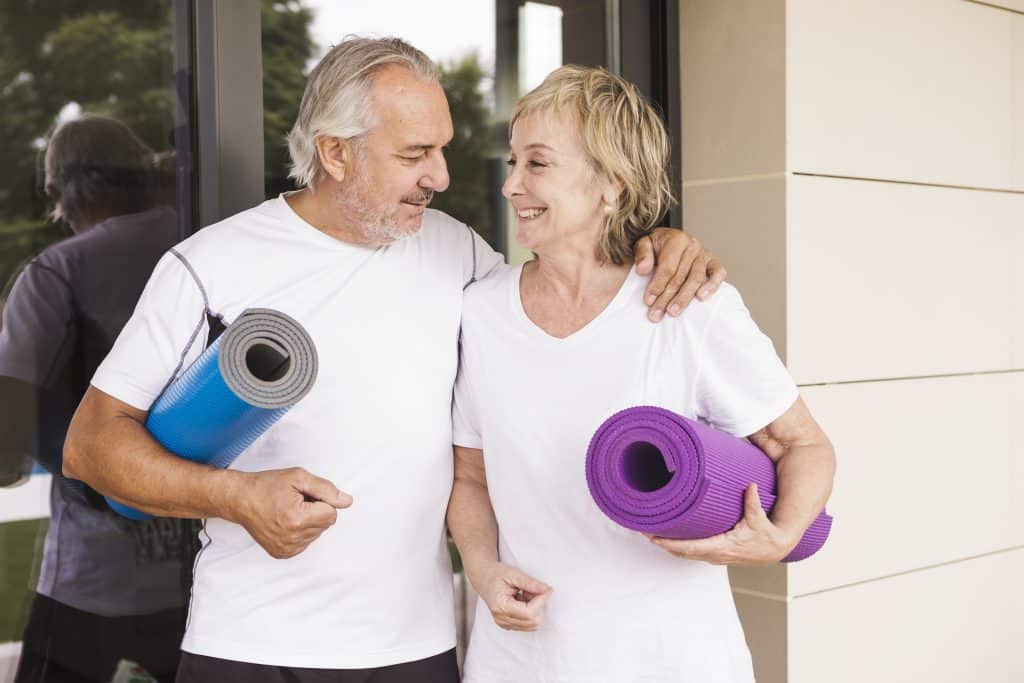
The Importance of Physical Activity in Healthy Aging
Regular physical activity is crucial for older adults. Engaging in consistent exercise can reduce the risk of chronic diseases such as diabetes, heart disease, and osteoporosis. In addition to physical health benefits, exercise improves cognitive function, mood, and overall emotional well-being. For older adults, movement is a key factor in maintaining independence, reducing fall risk, and improving daily functioning.
Emerging research shows that integrating multiple forms of exercise—strength, endurance, flexibility, and balance—is most effective in promoting healthy aging. This comprehensive approach addresses the complex physiological changes that occur as the body ages, including muscle loss, reduced bone density, slower metabolism, and decreased joint flexibility.
Emerging Fitness Trends for Older Adults in 2025
1. Functional Fitness: Enhancing Daily Movement
Functional fitness focuses on exercises that mimic everyday movements, improving balance, coordination, and strength. The goal is to help older adults maintain independence by enhancing their ability to perform daily tasks safely and efficiently.
Functional fitness routines often include exercises such as squats, lunges, and rotational movements to strengthen muscles used in lifting, bending, and walking. Programs designed specifically for aging adults also emphasize posture correction, joint mobility, and fall prevention. By practicing movements that replicate real-life activities, individuals can maintain agility and reduce the risk of injury.
2. Active Aging Programs
Active aging programs are increasingly popular as they combine physical, cognitive, and social engagement. These programs typically include a mix of aerobic exercises, strength training, balance routines, and flexibility practices.
The holistic approach of active aging programs also addresses mental health by incorporating memory games, problem-solving activities, and social interactions. Group classes foster community support, helping participants stay motivated and accountable. By participating in these programs, older adults can experience physical, mental, and emotional benefits simultaneously.
3. Wearable Technology for Personalized Fitness
Wearable technology has become a cornerstone of modern fitness, offering personalized insights that help individuals track their health and adjust their routines. Devices such as fitness trackers and smartwatches monitor heart rate, activity levels, sleep patterns, and even oxygen saturation, enabling users to optimize their workouts based on real-time data.
For older adults, wearable technology can alert them to changes in health metrics, encouraging early intervention when necessary. Additionally, these devices can help individuals gradually increase activity levels, avoid overexertion, and maintain safe intensity levels during exercise.
4. Hybrid Training: Combining Strength and Endurance
Hybrid training, which combines resistance exercises with cardiovascular workouts, is gaining recognition as an essential practice for healthy aging. Strength training helps maintain muscle mass and bone density, while aerobic exercise supports heart health, lung function, and energy levels.
This combined approach also improves metabolic efficiency, coordination, and stamina. For example, a hybrid session might include circuit training with bodyweight exercises, resistance bands, and moderate cardio intervals. These programs provide a balanced fitness regimen that addresses multiple aspects of physical health.
5. Mindfulness and Stress Reduction
Mental health is an integral component of healthy aging. Incorporating mindfulness practices into a fitness routine can reduce stress, improve mood, and enhance cognitive function. Yoga, meditation, tai chi, and deep-breathing exercises are increasingly incorporated into older adults’ fitness programs.
These practices promote relaxation, increase body awareness, and enhance the mind-body connection. Research indicates that older adults who practice mindfulness regularly experience lower anxiety levels, improved focus, and better emotional regulation, supporting overall well-being as they age.
6. Low-Impact Workouts and Aquatic Fitness
Low-impact exercises are particularly beneficial for older adults, especially those with joint issues or limited mobility. Activities such as walking, cycling, Pilates, and swimming allow individuals to stay active while reducing strain on the joints.
Aquatic fitness, including water aerobics and swimming, offers additional advantages. The buoyancy of water decreases pressure on the knees, hips, and spine while providing natural resistance for strength-building. Aquatic workouts can improve cardiovascular health, flexibility, and muscular endurance without causing injury.
7. Social and Group Fitness Programs
Social engagement is closely linked to longevity and mental health. Group exercise classes such as community yoga sessions, senior Zumba, or walking clubs combine physical activity with social interaction. These settings foster accountability, motivation, and enjoyment, making fitness a sustainable and enjoyable habit for older adults.
Studies have shown that older adults who participate in group activities experience higher levels of adherence, better mood, and enhanced cognitive performance compared to those exercising alone.
8. Outdoor and Nature-Based Exercise
Spending time outdoors while exercising is an emerging trend that supports both physical and mental well-being. Activities such as hiking, gardening, tai chi in parks, and outdoor walking provide fresh air, sunlight, and exposure to natural environments—all of which contribute to better mood, vitamin D production, and reduced stress.
Nature-based exercise also encourages mobility, balance, and endurance, while simultaneously creating opportunities for social interaction and community engagement.
Expert Recommendations for Healthy Aging Fitness
Experts recommend a balanced and sustainable approach for older adults looking to maintain vitality and health. Key practices include:
- Aerobic exercises: Walking, cycling, or swimming for cardiovascular fitness.
- Strength training: Resistance bands, light weights, or bodyweight exercises to preserve muscle and bone health.
- Balance and flexibility exercises: Yoga, tai chi, or simple stretching routines to reduce fall risk.
- Mindfulness practices: Meditation, breathing exercises, or guided relaxation for mental clarity and stress reduction.
- Consistency: Aim for 150 minutes of moderate-intensity aerobic exercise per week, combined with strength training sessions at least two days per week.
- Personalization: Adjust intensity, duration, and type of exercise to individual fitness levels, health conditions, and mobility limitations.
By following these recommendations, older adults can create a well-rounded fitness routine that promotes longevity, functionality, and a higher quality of life.
Conclusion
In 2025, fitness practices for healthy aging emphasize a holistic and adaptive approach. Combining strength, endurance, balance, flexibility, and mental wellness allows older adults to thrive physically, mentally, and emotionally. Emerging trends such as wearable technology, hybrid training, and functional exercises provide personalized and engaging ways to maintain vitality.
Staying active in later life is not just about preventing disease—it’s about preserving independence, enhancing mobility, and fostering emotional resilience. By integrating these modern fitness practices into daily routines, older adults can enjoy meaningful, enjoyable, and sustainable pathways to healthy aging.
As the fitness landscape continues to evolve, adopting evidence-based strategies ensures that older adults remain active participants in life, capable of meeting physical challenges, maintaining mental sharpness, and fully embracing the years ahead.
References
- Functional Fitness: Enhancing Daily Movement- https://activewellness.com
- Active Aging Programs- https://www.frontiersin.org
- Wearable Technology for Personalized Fitness- https://acsm.org

 Interior Organization Solutions That Save Time


